
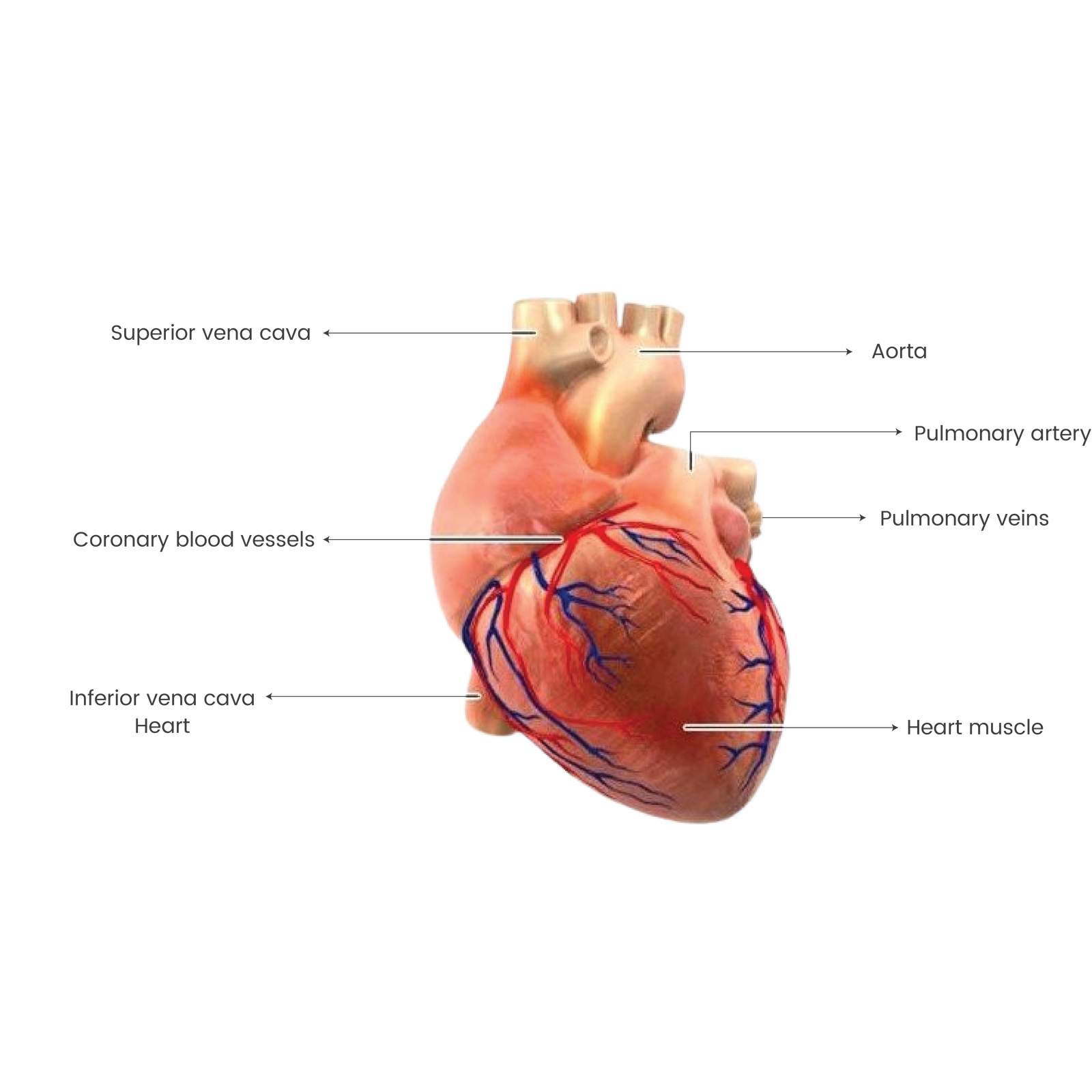
The heart pumps blood through a system of blood vessels called the circulatory system. The blood that these vessels carry is essential for the body to function2.
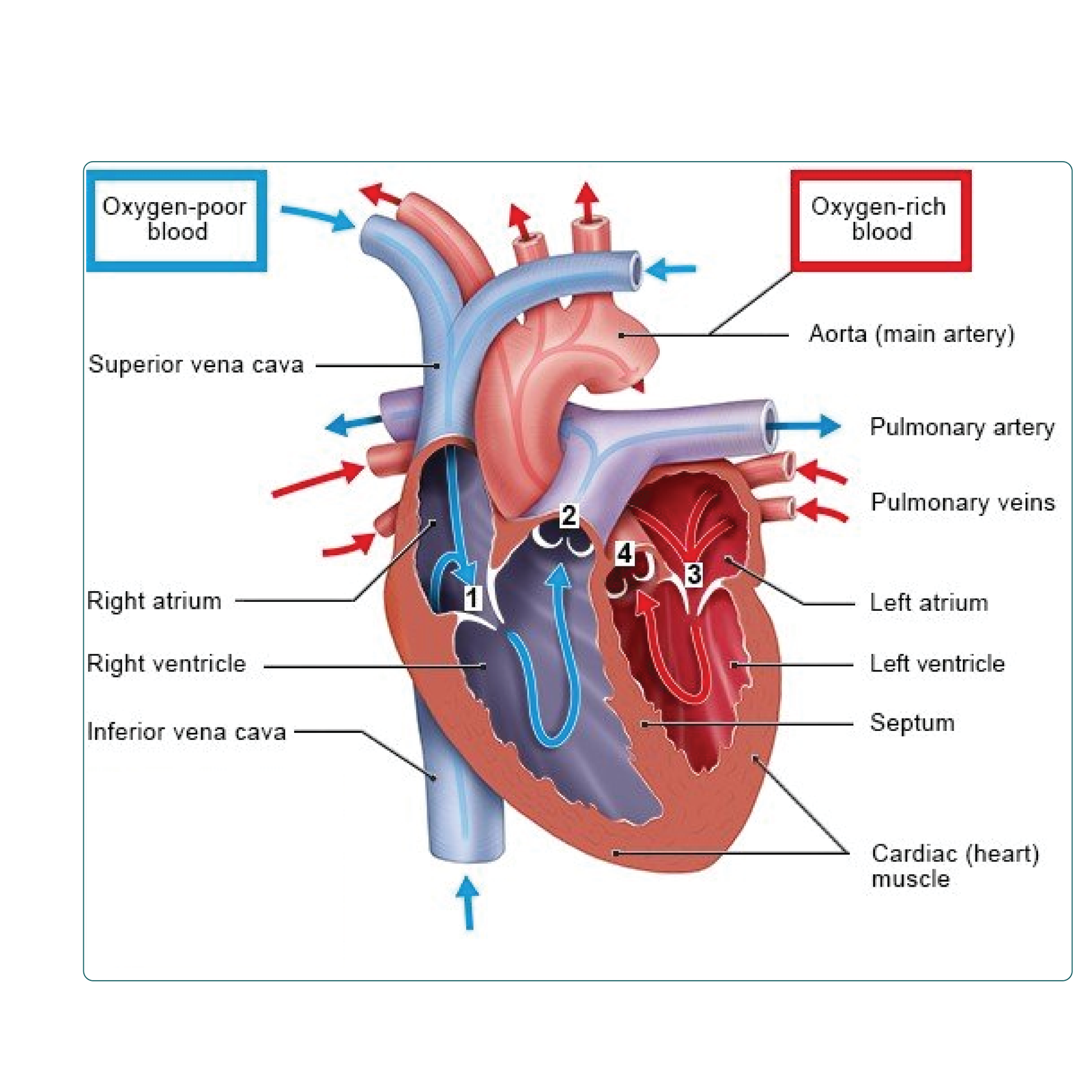
The heart, hollow muscle, is divided it into two halves by a wall. Each half has two chambers called the atrium and ventricle. The left ventricle pumps oxygen-rich blood out of the heart and into the body (systemic circulation) through an artery called the aorta. The first blood vessels that branch off from the aorta are the coronary arteries. They go straight to the muscle of the heart itself, and supply the heart with oxygen and nutrients.
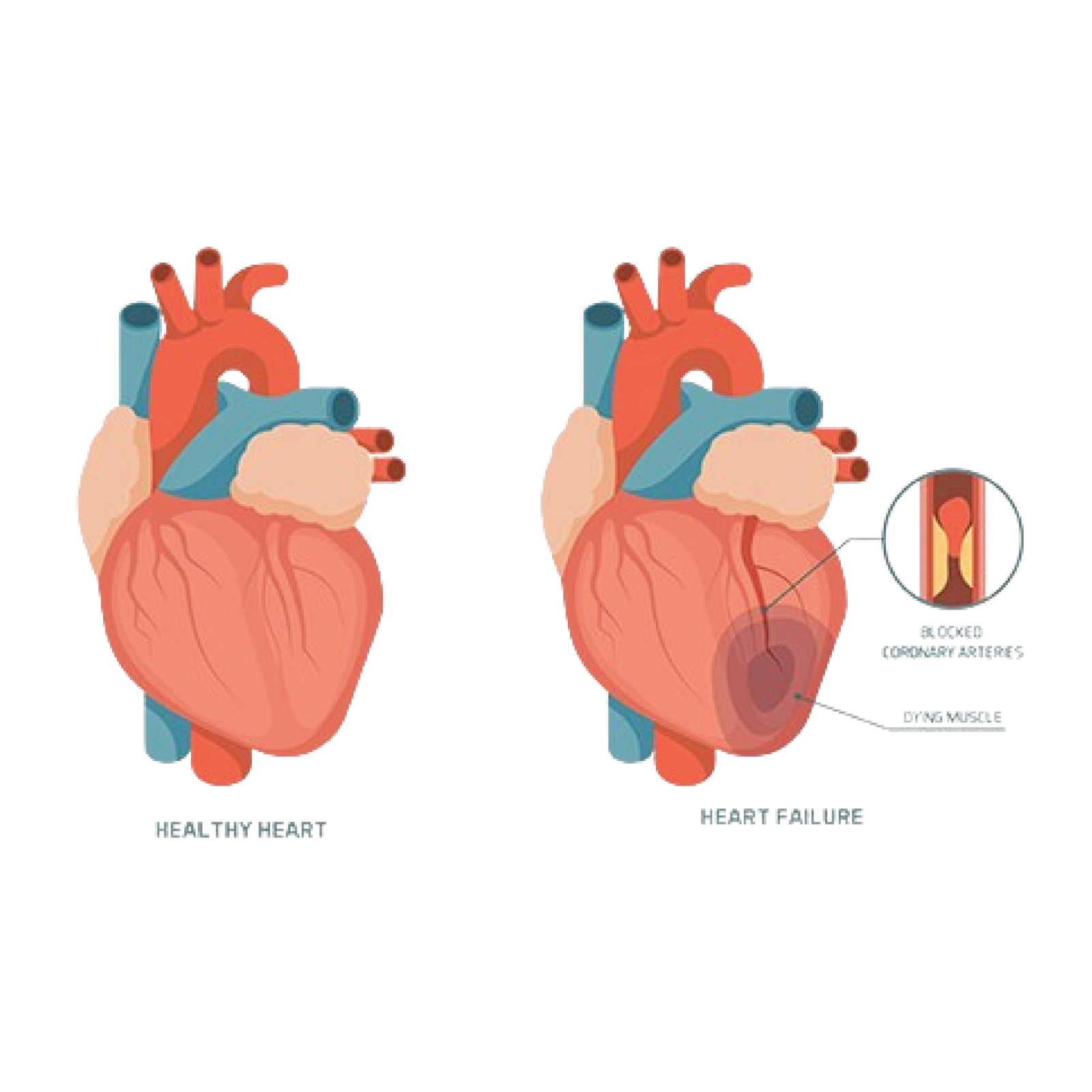
Heart failure is a progressive chronic syndrome characterized by decrease in functional status and quality of life, and an increased morbidity and mortality.3
Heart failure means that the heart is unable to pump blood around the body properly. It usually occurs because the heart has become too weak or stiff
In India, the prevalence of heart failure was estimated to be around 1.2/1000 people.

The worldwide prevalence of heart failure is estimated at 64.34 million cases.

The major clinical risk factors for heart failure are:6,7

Old age

Ischemic heart disease

Hypertension
Obesity

Dyslipidemia

Smoking


Dyspnoea
(Difficulty in breathing)
Nocturnal Dyspnoea
(Difficulty in breathing at night)
Reduce exercise tolerance
(Decreased exercise capacity)

Bilateral Ankle swelling
Fatigue

Anorexia
Loss of Appetite


Tachycardia
(Increased Heart Rate)
Cachexia and
muscle wasting

Elevated jugular
venous pressure

Displaced apex beat

Right ventricular heave

Third heart sound


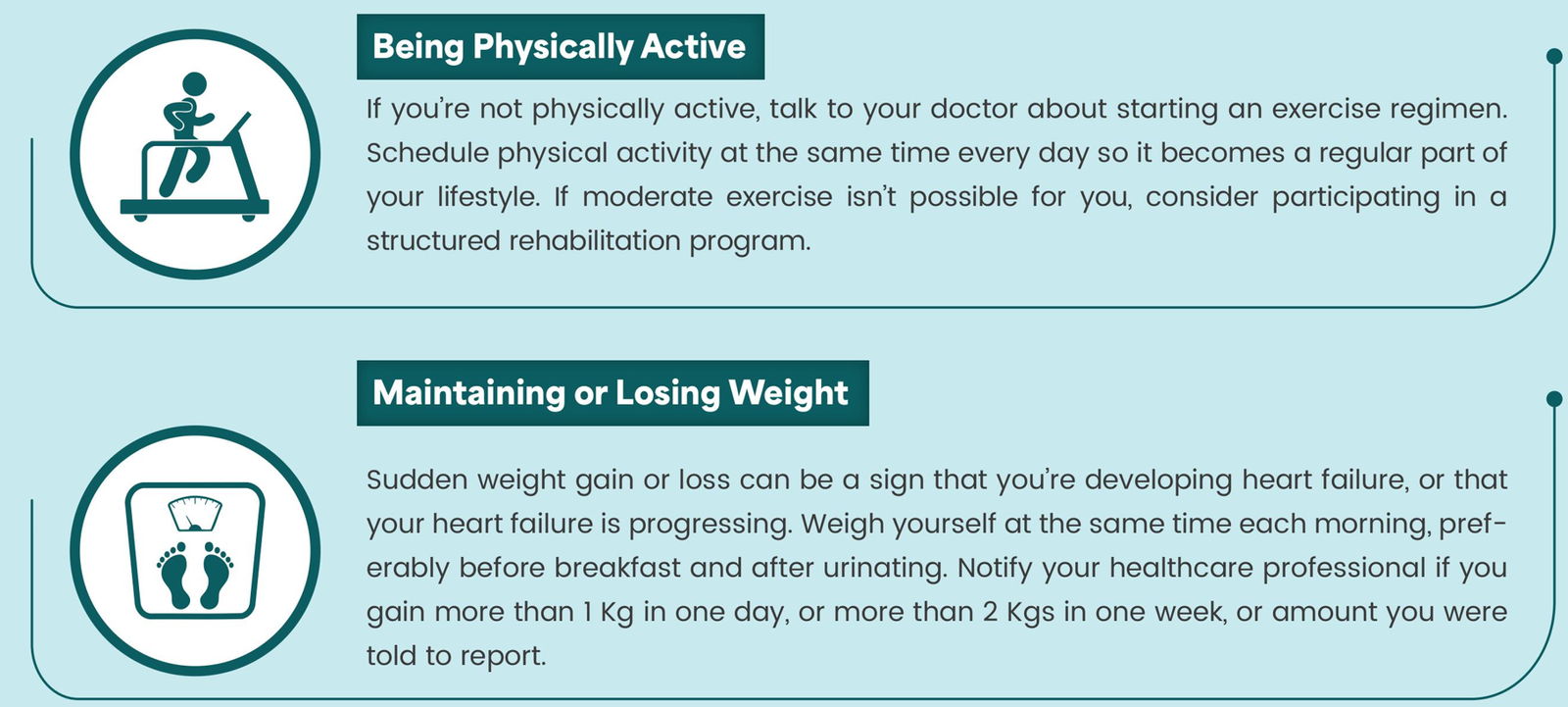
Following recommendations about diet, exercise and other habits can help alleviate heart failure symptoms, slow your dis ease progression and improve your everyday life.
Important lifestyle changes may include:
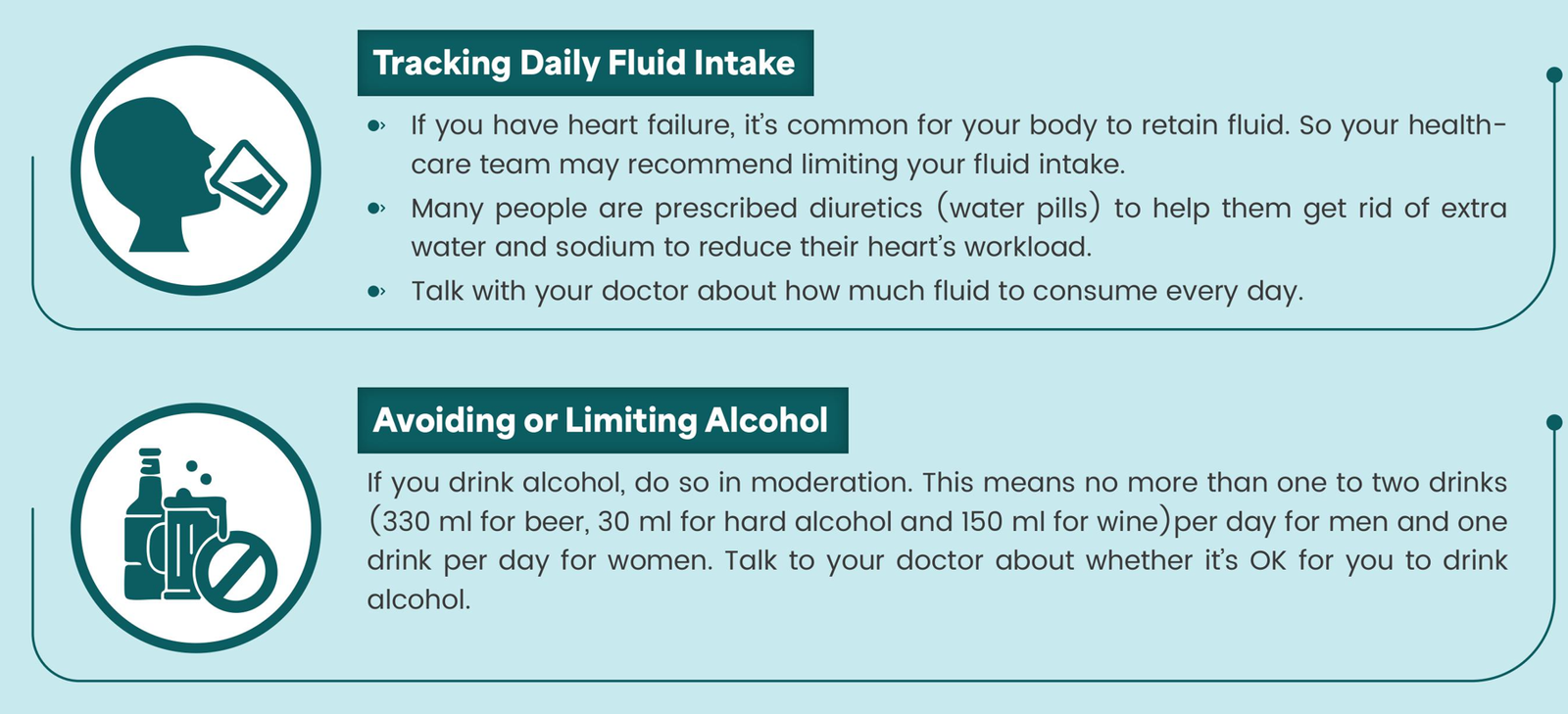
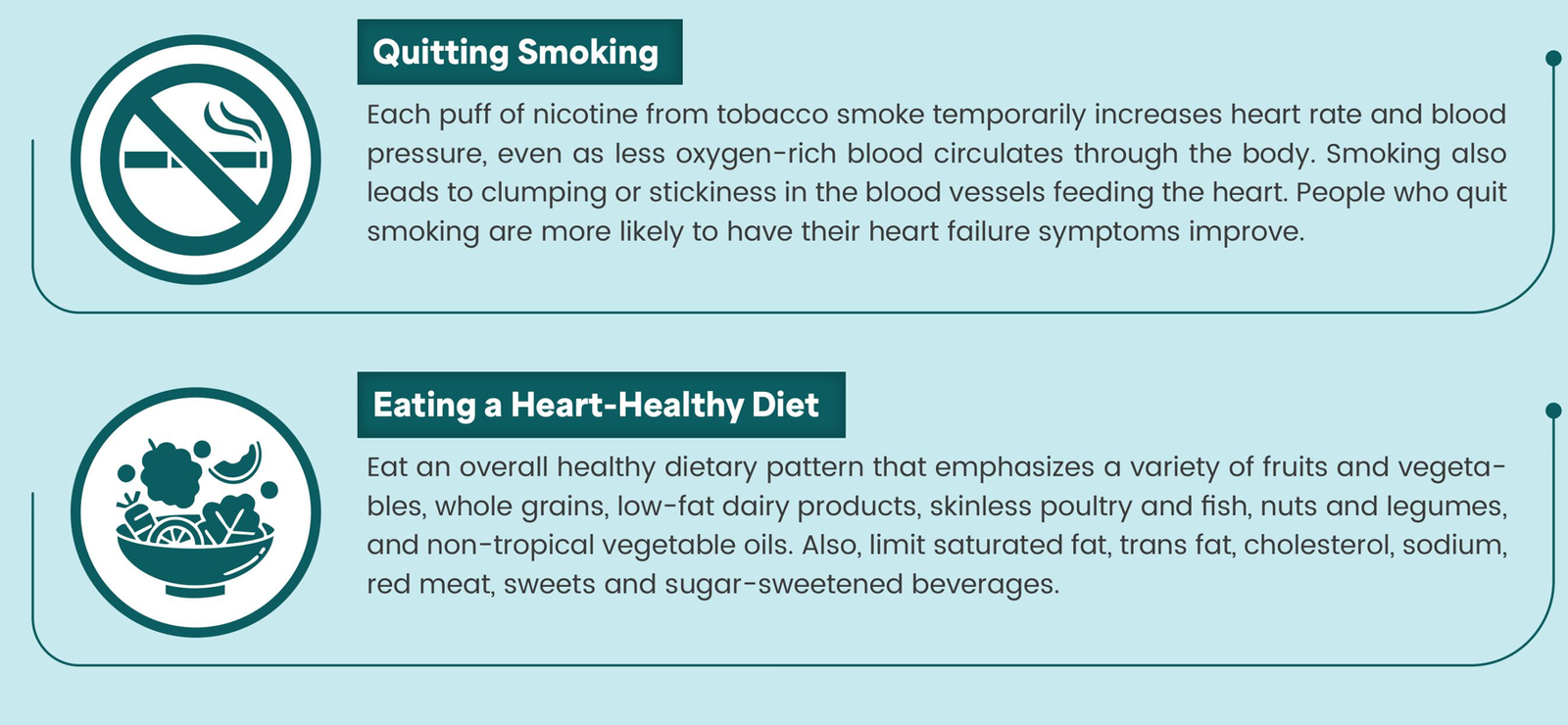

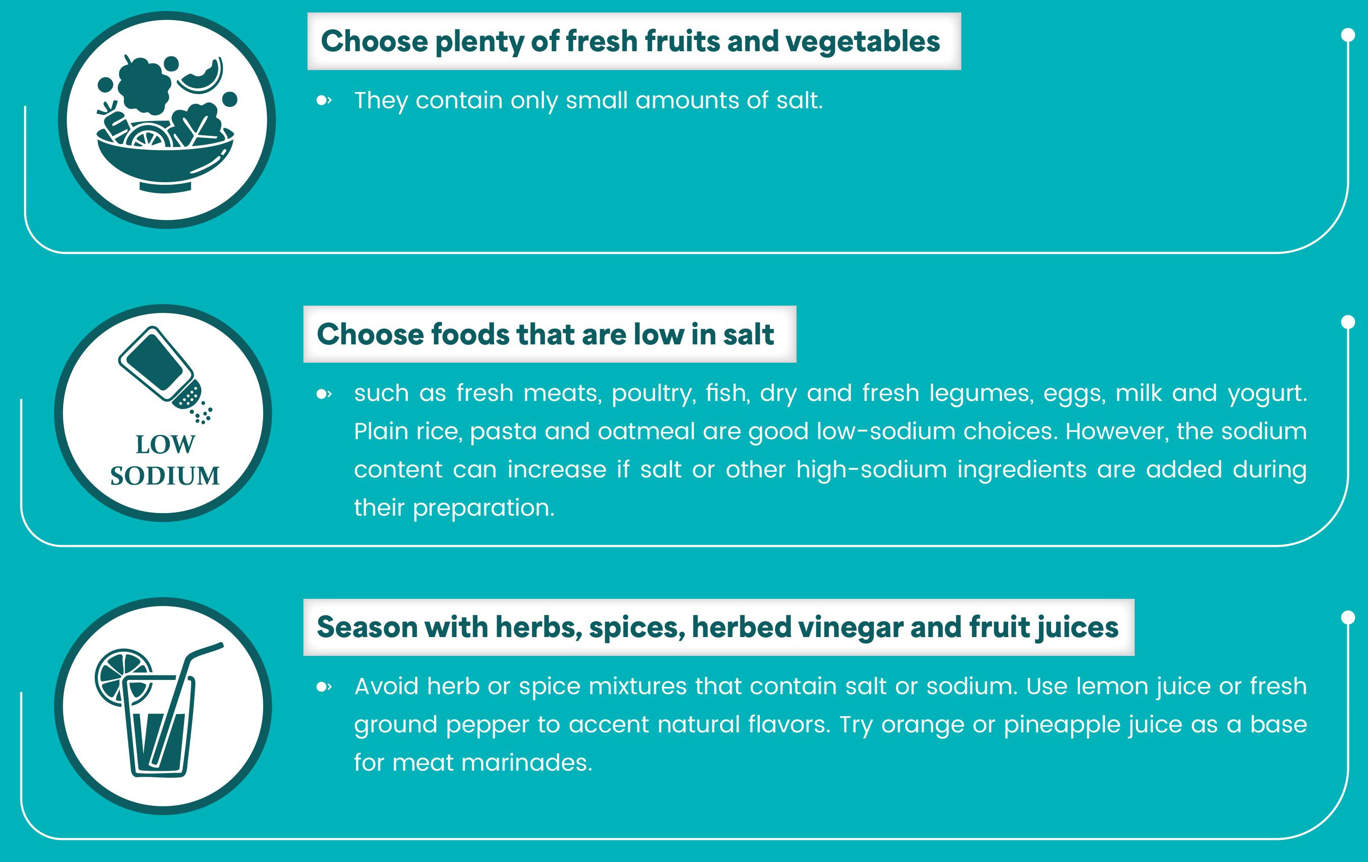
Maintaining the right diet helps in decreasing some of the symptoms. The recommended diet may include:
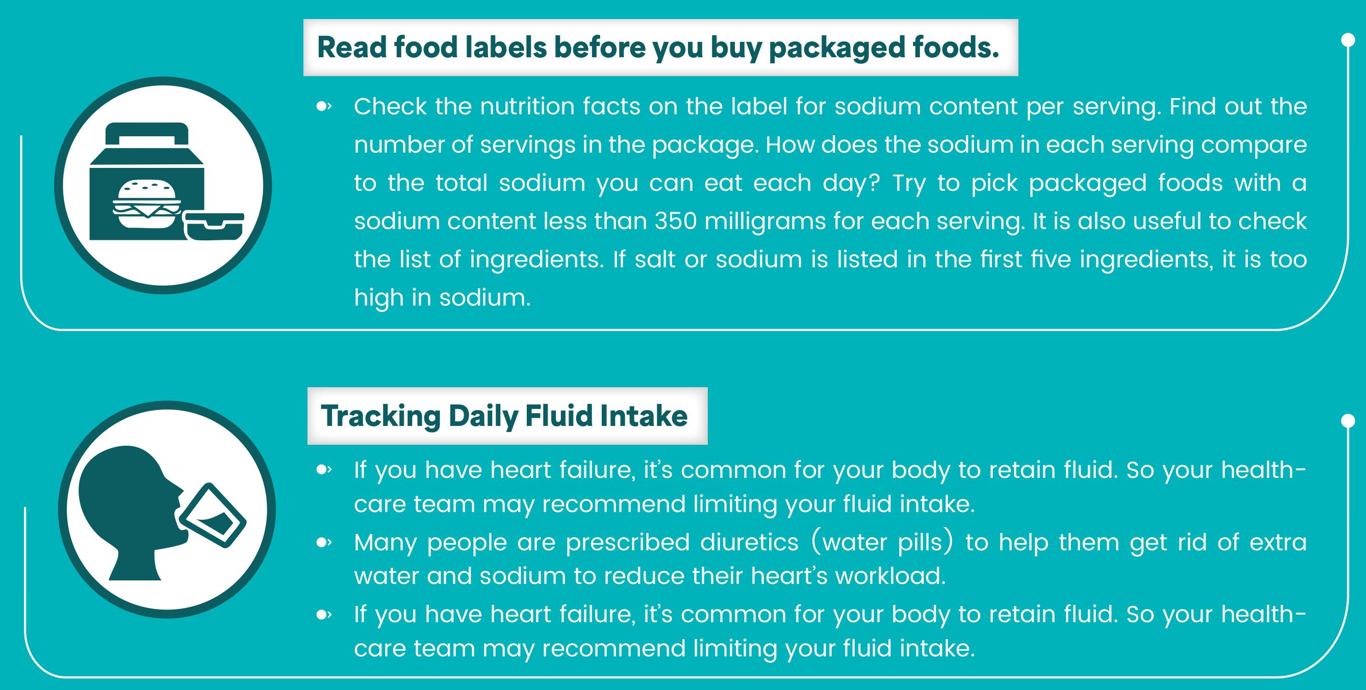
Appropriate self-monitoring can benefit your overall health and enhance quality of life. Monitoring may include:
In case of presence of the above symptoms, you may require a change
in medications
Please consult your healthcare practitioner immediately

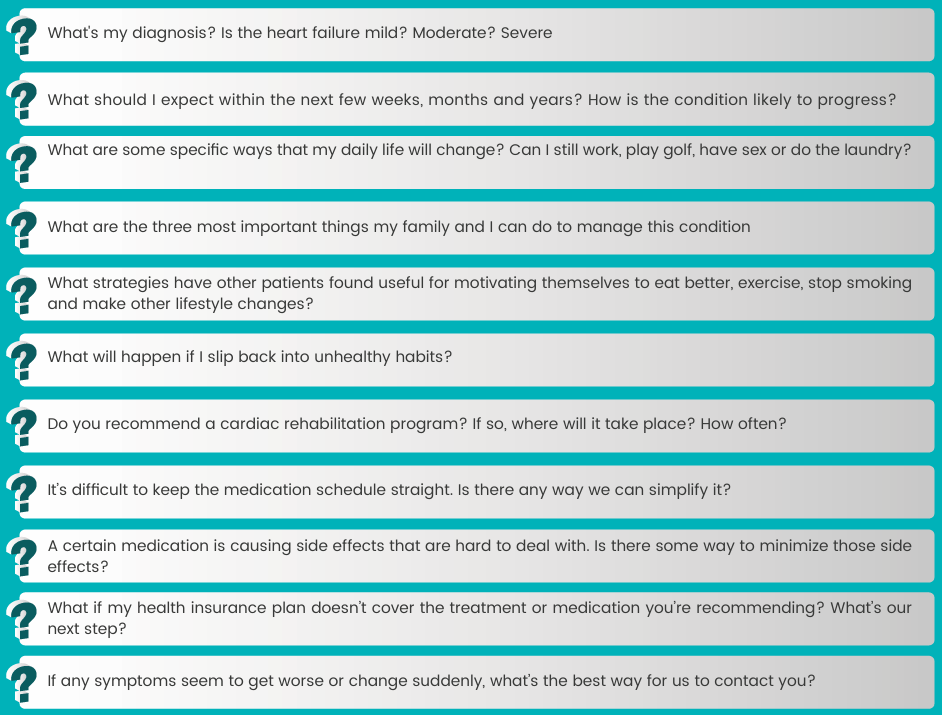
People with heart failure often share many of the same concerns
The list of questions below may help you come up with questions for your physician or healthcare team.

If you have heart failure, it's important to look after your own health and wellbeing, with support from those involved in your care.
It's very important to take good care of yourself if you have heart failure
A healthy, balanced diet can help improve your symptoms and general health.
A balanced diet should include:
You may also be given advice about dietary changes that can specifically help with heart failure, such as limiting the amount of fluid you drink.
Regular physical activity can also help improve your symptoms and general health.
If you have heart failure, you should be offered an exercise-based cardiac rehabilitation programme.
These programmes vary widely across the country, but most cover 1 or more of the following:
They're usually run in hospitals or community clinics by teams that include nurses, physiotherapists, occupational thera pists and exercise specialists.
Before you start, you'll have an assessment to find out how much exercise you can safely do.
A programme of exercise can then be tailored specifically for you.
The education part of the programme will give you information on healthy eating and practical ways to reduce the risk of further damage to your heart.
If you smoke, stopping smoking can improve your overall health and reduce your risk of many other health problems. Limit your alcohol consumption
Heart failure can put a significant strain on your body and mean you're more vulnerable to infections.

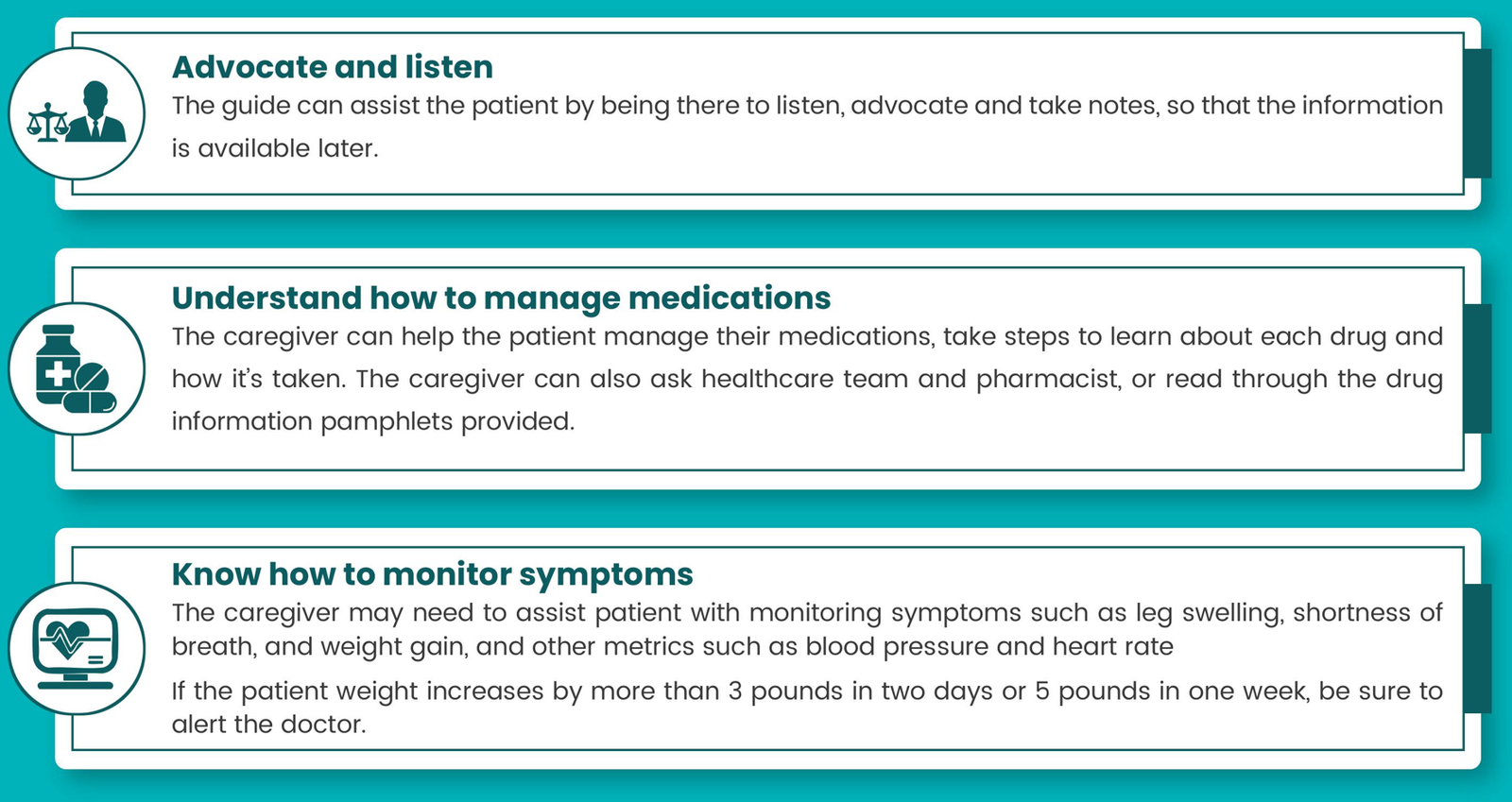
Providing care for someone with heart failure may involve emotional support and being a good listener. It may also require more hands-on practical planning, such as managing medications, monitoring symptoms and vital signs, and encourag ing healthy eating and exercise